Easter Lover Font Review: Evaluating a Bold Display Type for Creative Projects
Selecting the right typography is often the most critical decision in visual design, yet it is frequently overlooked until the final stages of production. For designers working on seasonal campaigns, greeting cards, or playful branding, finding a typeface that balances charm with authority can be challenging. This is where Easter Lover enters the conversation. It is not merely a decorative font; it is a thick-lettered, cute, and assertive display type designed to command attention while maintaining a distinct personality.
This review examines the specific characteristics of Easter Lover, evaluates its utility across various design contexts, and compares its approach to other display fonts in the market. The goal is to help creative professionals determine whether this asset fits into their workflow and library.
Defining the Aesthetic: Thick Letters and Assertive Cuteness
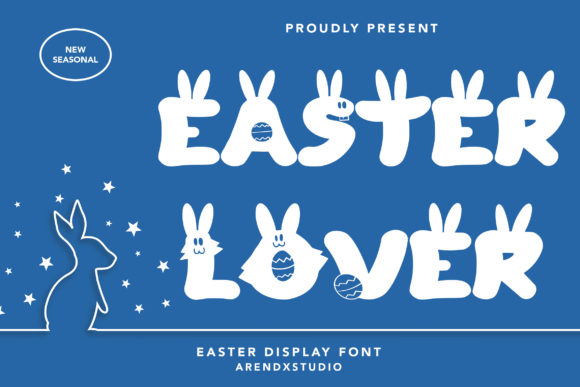
The core identity of Easter Lover lies in its structural boldness combined with soft, rounded edges. Unlike standard serif or sans-serif display fonts that rely on sharp angles or traditional elegance, Easter Lover utilizes a heavy weight to create presence. However, it avoids the intimidation factor often associated with ultra-bold types by incorporating "cute" geometric curves. This duality creates an aesthetic that is both assertive and approachable.
For the modern designer, this balance is significant. In an era where digital interfaces are often cluttered, a font that is legible at large sizes but retains character at smaller scales offers versatility. The "thick lettered" nature ensures high visibility, making it suitable for headlines, posters, and social media graphics where immediate impact is required. Meanwhile, the "cute" aspect prevents the design from feeling sterile or corporate.
When evaluating such a font, one must consider the emotional response it triggers. Easter Lover evokes feelings of warmth, celebration, and playfulness without sacrificing professionalism. It suggests that the content is fun but also substantial. This makes it particularly effective for brands that want to appear friendly yet confident.
Comparative Analysis: How It Stacks Up Against Standard Display Fonts
To understand the value proposition of Easter Lover, it is helpful to compare it against broader categories of display typography. Most display fonts fall into two camps: those that prioritize extreme readability (often lacking personality) and those that prioritize artistic flair (often sacrificing legibility).
- Traditional Script Fonts: Many designers reach for script fonts when they need a "cute" or "festive" look. However, scripts can be difficult to read quickly and often lack the assertiveness needed for strong headlines. Easter Lover offers a similar whimsical tone but with the structural stability of a block letter, ensuring that the message is not lost in the decoration.
- Geometric Sans-Serifs: Modern geometric fonts are clean and neutral. While versatile, they can sometimes feel too cold for seasonal or lifestyle branding. Easter Lover provides the same clarity and simplicity but injects a necessary layer of emotion and warmth that geometric fonts often miss.
- Handwritten/Brush Fonts: These fonts offer authenticity but can appear messy or unprofessional if overused. They also vary significantly in readability depending on the size. Easter Lover mimics the organic feel of hand-drawn art through its consistent thickness and rounded forms, offering a polished alternative that maintains human touch without the inconsistency.
The distinction here is subtle but important. Easter Lover does not try to mimic handwriting; it constructs a unique typographic voice that sits comfortably between structured design and organic expression. This makes it a more reliable tool for commercial projects where consistency is key.
Best-Fit Situations and Practical Applications
While Easter Lover is versatile, it is not a universal solution. Its assertive nature means it works best when used as a display font rather than body text. Understanding its strengths helps in placing it correctly within a layout.
Seasonal Marketing and Retail
As the name implies, the font has inherent ties to spring, holidays, and celebrations. It is exceptionally well-suited for Easter sales, Mother’s Day promotions, and birthday party invitations. The thick letters ensure that promotional details (dates, discounts, times) stand out clearly against busy backgrounds. The cute aesthetic aligns perfectly with products aimed at families, children, or gift-giving scenarios.
Social Media Content
In the fast-scrolling environment of Instagram or TikTok, typography needs to grab attention within seconds. Easter Lover’s high contrast and bold weight make it ideal for quote graphics, meme templates, and event announcements. It allows creators to add personality to static images without relying heavily on photography or illustration.
Branding for Lifestyle Products
Brands in the bakery, craft, wellness, or pet industries often seek a voice that feels personal and trustworthy. Using Easter Lover in logo design or packaging can signal that a brand is approachable and joyful. It helps differentiate these businesses from competitors who use more generic, corporate typefaces.
Tradeoffs and Limitations
No font is perfect, and Easter Lover comes with specific limitations that designers must account for. Recognizing these tradeoffs is essential for making an informed decision.
Lack of Versatility in Formal Contexts: The very traits that make Easter Lover charming—its cuteness and boldness—make it inappropriate for formal documents, legal contracts, or serious news outlets. Using it in a context requiring gravity or neutrality would undermine the message. It is strictly a display font, meant to support, not replace, standard reading text.
Readability at Small Sizes: Due to its thick letterforms, Easter Lover may become muddy or illegible when scaled down to small sizes, such as in footers or fine print. Designers should reserve it for headlines, subheads, and large graphic elements. Pairing it with a simpler, thinner sans-serif for body copy is a recommended strategy to maintain hierarchy and readability.
Niche Appeal: While many find the style appealing, it may not resonate with all audiences. Some minimalist or luxury brands might find the font too playful or informal. It is crucial to assess the target demographic before committing to Easter Lover as a primary brand asset.
Decision Factors: When to Choose Easter Lover
Deciding to add Easter Lover to your font library depends on your specific project needs and long-term design goals. Consider the following factors:
- Project Tone: If the project requires a blend of fun and authority, this font is a strong candidate. It bridges the gap between childish playfulness and adult sophistication.
- Visual Hierarchy: Do you need a headline font that demands attention? If your designs suffer from weak titles or lack visual punch, Easter Lover can provide the necessary weight and character.
- Brand Consistency: Does your brand voice align with warmth and assertiveness? If yes, incorporating Easter Lover can reinforce brand recognition across different touchpoints.
- Alternative Availability: If you already have a robust library of display fonts, evaluate what is missing. If you lack a thick, cute, and assertive option, Easter Lover fills a specific niche that might otherwise require combining multiple fonts to achieve a similar effect.
Conclusion
Easter Lover represents a thoughtful addition to any designer’s toolkit. It addresses a common pain point in visual communication: how to be bold without being aggressive, and cute without being trivial. By understanding its strengths in seasonal marketing, social media, and lifestyle branding, as well as its limitations in formal and small-scale applications, designers can leverage it effectively.
Ultimately, the choice to use Easter Lover should be driven by the specific needs of the project and the desired emotional response from the audience. For those seeking to elevate their creations with a font that is both distinctive and functional, it offers a compelling solution. As with any design resource, testing it in context is the best way to determine its fit for your unique creative vision.