Jumpy Bunny: A Playful Display Font for Creative Projects
Design is often a balancing act between clarity and character. You want your message to be read instantly, but you also want it to feel alive. For projects that demand energy, warmth, and a touch of whimsy, the right typeface can do more than just convey information—it can set the emotional tone before a single word is processed. This is where Jumpy Bunny steps in as a standout choice. It is not merely a font; it is a personality rendered in thick, bold strokes.
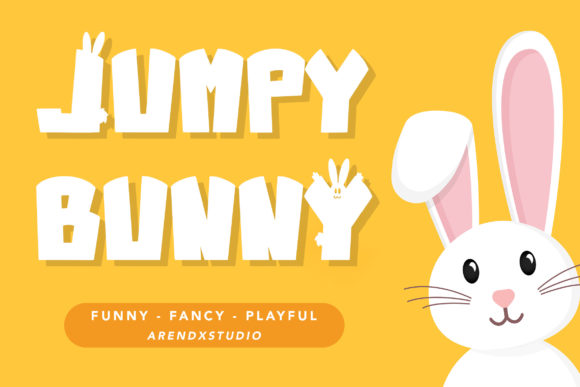
As a fun, playful, and thick-lettered display font, Jumpy Bunny embodies a sense of authenticity that resonates with modern audiences tired of sterile, corporate aesthetics. Whether you are designing for children, creating marketing materials for a small business, or simply adding a spark of joy to a personal blog, this typeface offers a versatile toolkit for visual storytelling. Its robust structure ensures legibility even at smaller sizes, while its playful curves invite interaction and engagement.
The Anatomy of Playfulness
What makes Jumpy Bunny interesting is how it manages to be both heavy and light-hearted. The letterforms are thick, giving them a substantial presence on the page or screen. This weight provides stability and confidence, ensuring that headlines grab attention without shouting aggressively. Yet, the design retains a softness in its terminals and curves that prevents it from feeling blocky or intimidating.
This duality is crucial for creators who need to balance authority with approachability. In a digital landscape saturated with sans-serif minimalism, Jumpy Bunny stands out by offering texture and movement. It feels hand-crafted, yet it is precise enough for professional use. The font’s "jumpy" nature suggests motion, making it ideal for topics related to activity, growth, learning, and fun. It captures the essence of childhood wonder without sacrificing the sophistication required for adult consumers.
Who Is This Font For?
Jumpy Bunny is designed with a broad audience in mind, bridging the gap between educational tools and commercial design. Here is how different professionals can leverage its unique characteristics:
- Educators and School Administrators: For school projects, classroom decorations, and activity sheets, readability is key. Jumpy Bunny’s thick letters are easy for young readers to decode, while its playful style keeps students engaged. It transforms mundane worksheets into exciting adventures.
- Small Business Owners and Marketers: If you run a bakery, a toy store, or a creative agency, your brand voice likely needs to be friendly and inviting. Using Jumpy Bunny in logos, social media graphics, or promotional banners can instantly communicate that your brand is accessible and human-centric.
- Bloggers and Content Creators: Personal blogs thrive on connection. Headers written in Jumpy Bunny can break up text-heavy posts and add a layer of visual interest that encourages scrolling. It adds a signature style that helps build brand recognition.
- Hobbyists and Crafters: For those creating physical products like greeting cards, scrapbooks, or party invitations, this font offers a tactile feel. It mimics the look of hand-painted signs or sticker art, adding a layer of authenticity to handmade goods.
Creative Applications and Project Ideas
The versatility of Jumpy Bunny allows for a wide range of applications. Because it is a display font, it shines brightest when used for headlines, titles, and short phrases rather than body text. Here are some practical ways to integrate it into your workflow:
Event Branding and Invitations
For birthday parties, baby showers, or community events, first impressions matter. Jumpy Bunny is perfect for invitation headers. Pair it with bright, complementary colors to create a vibrant announcement. The font’s natural bounce pairs well with illustrations of balloons, confetti, or animals, creating a cohesive theme that feels curated rather than generic.
Social Media Graphics
In the fast-paced world of Instagram or Pinterest, static images need to stop the scroll. Use Jumpy Bunny for quote overlays or motivational posts. The thickness of the letters ensures they remain legible even when overlaid on busy background images. Try using it in all caps for impact, or mix it with a lighter script font to create contrast and hierarchy.
Educational Materials
Create engaging flashcards, posters, or digital slides for teaching. The font’s clarity supports early literacy efforts. When designing for children, consistency is important. Using Jumpy Bunny for key terms or section headers helps guide the learner’s eye through the material. It turns educational content into something that feels like play.
Product Packaging
For artisanal products, such as homemade jams, candles, or crafts, packaging design is a powerful marketing tool. Jumpy Bunny can add a rustic yet polished touch to labels. It suggests quality and care, appealing to customers who value authenticity over mass production.
Technical Advantages: PUA Encoding
One of the most significant benefits of using Jumpy Bunny is its technical implementation. The font is PUA encoded, which stands for Private Use Area encoding. This might sound technical, but for designers, it translates to ease of use and flexibility.
Standard fonts often limit access to special characters, ligatures, or decorative swashes through standard keyboard inputs. With PUA encoding, all glyphs and swashes are easily accessible within the font file itself. This means you can insert specific decorative elements, alternate letterforms, or unique symbols directly from your software’s glyph panel. There is no need for complex workarounds or third-party plugins.
This accessibility allows for greater creativity. You can mix and match different versions of letters to create custom monograms or stylized titles. For example, you might swap a standard 'A' for a version with extra flourishes to make a logo stand out. The ability to access these features with ease saves time and reduces frustration, allowing you to focus on the design rather than the mechanics.
Tips for Effective Usage
To get the most out of Jumpy Bunny, keep a few design principles in mind:
- Balance is Key: Because the font is thick and bold, it can dominate a layout. Pair it with simpler, thinner fonts for body text to create contrast. This ensures that the overall design remains readable and organized.
- Use White Space: Give your headlines room to breathe. Avoid crowding Jumpy Bunny with other dense elements. Ample white space enhances its playful nature and makes the text easier to scan.
- Color Matters: While Jumpy Bunny works well in black and white, its playful spirit is amplified by color. Experiment with pastel tones for a softer look, or bold primaries for high energy. Ensure sufficient contrast between the text and background for accessibility.
- Consistency: Limit your use of the font to headings and key phrases. Overusing a display font can lead to visual fatigue. Reserve Jumpy Bunny for moments where you want to draw attention or evoke emotion.
Conclusion
In a world where attention is scarce, connecting with your audience on an emotional level is essential. Jumpy Bunny offers a reliable way to inject personality into your designs without compromising on professionalism. Its thick, playful letters embody authenticity and joy, making it a valuable asset for anyone looking to create meaningful connections through visual communication.
Whether you are a seasoned designer seeking a new tool for your arsenal or a hobbyist looking to elevate your DIY projects, Jumpy Bunny provides the flexibility and charm needed to bring your ideas to life. By leveraging its PUA-encoded features and applying thoughtful design strategies, you can create work that is not only seen but felt. Embrace the playfulness, stay grounded in usability, and let your creativity jump off the page.