Evaluating Happy Gnome: A Practical Guide to Choosing a Playful Display Type
Selecting the right typography for a design project is rarely about finding a single "perfect" font. Instead, it involves matching the visual voice of the typeface to the specific emotional and functional needs of the audience. For projects targeting younger demographics or seeking a whimsical aesthetic, Happy Gnome has emerged as a notable contender in the display font category. It offers a distinct blend of playfulness and authenticity that sets it apart from more generic cartoon-style typefaces.
This evaluation explores what makes Happy Gnome suitable for children’s media, editorial design, and creative branding. We will examine its visual characteristics, compare it against broader categories of playful typography, and outline the practical tradeoffs designers should consider before integrating it into their workflow.
Understanding the Visual Identity of Happy Gnome
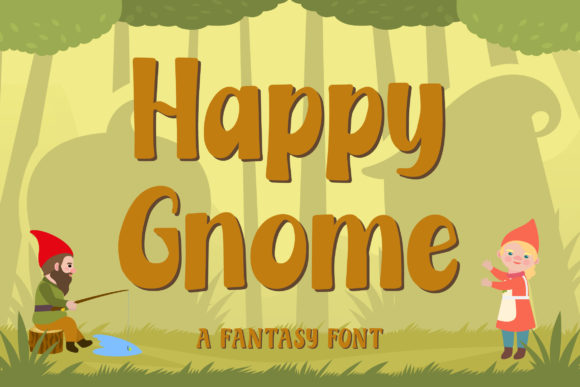
At its core, Happy Gnome is designed to evoke warmth, approachability, and a sense of grounded fun. Unlike many display fonts that rely on exaggerated distortion or chaotic irregularity to signal "playfulness," Happy Gnome maintains a level of structural integrity that ensures readability while still feeling informal. The characters often feature rounded terminals, slight asymmetries, and a hand-drawn quality that suggests human touch rather than algorithmic generation.
The term "authenticity" is frequently used to describe this font because it avoids the overly polished, sterile look of vector-based clip art. Instead, it mimics the imperfections of ink on paper or crayon on cardboard. This distinction is crucial for modern designers who are moving away from rigid corporate aesthetics toward more organic, relatable brand identities. When you use Happy Gnome, you are not just adding text; you are invoking a specific mood—one that feels safe, inviting, and slightly nostalgic.
Key visual traits include:
- Rounded Geometry: The letters avoid sharp, aggressive angles, creating a softer visual experience.
- Varied Weight Distribution: Subtle shifts in stroke weight add character without compromising legibility.
- Handcrafted Feel: The glyphs suggest individual letterpress stamps or hand-lettered signage.
Comparing Happy Gnome to Other Playful Font Categories
To understand where Happy Gnome fits in the typographic landscape, it is helpful to compare it with other common approaches to playful design. Designers often face a choice between three main styles: Cartoonish/Bubble Fonts, Handwritten Scripts, and Structured Quirky Sans-Serifs.
Vs. Cartoonish or Bubble Fonts
Bubble fonts are perhaps the most recognizable form of playful typography. They are characterized by thick, inflated strokes and uniform roundness. While effective for very young audiences (ages 0–5), they can quickly become visually overwhelming or appear juvenile for older children or mixed-age groups. Happy Gnome differs by offering more definition between letters and a lighter overall presence. It does not demand attention through sheer mass but rather through charm. For a magazine aimed at parents reading to toddlers, Happy Gnome provides a balance—it is fun enough to engage the child but sophisticated enough to appeal to the adult reader.
Vs. Handwritten Scripts
Script fonts offer elegance and personalization, but they often suffer from poor legibility when used in large quantities or for body copy. They also carry a risk of appearing too formal or romantic if not chosen carefully. Happy Gnome sits in a middle ground. It retains the personal touch of handwriting but adheres more closely to sans-serif principles. This makes it significantly easier to scan and read in headlines or short blocks of text compared to cursive alternatives. If the goal is to convey a storybook narrative without sacrificing clarity, Happy Gnome is often the more pragmatic choice.
Vs. Structured Quirky Sans-Serifs
There is a growing category of "quirky" sans-serifs that use geometric shapes with unexpected cuts or dots. These fonts are trendy and modern but can sometimes feel cold or tech-oriented. Happy Gnome leans more into the organic and folk-art traditions. It feels less like a startup logo and more like a community center poster or an indie publisher’s cover. This difference in tone is vital for brands trying to establish trust and warmth rather than innovation and speed.
Ideal Use Cases and Application Scenarios
Determining whether Happy Gnome is the right tool requires looking at the end product. Its strengths lie in contexts where emotional connection and immediate engagement are prioritized over dense information delivery.
Children’s Storybooks and Educational Materials
This is arguably the strongest fit for Happy Gnome. In storybooks, the font acts as a visual cue for the genre. It signals to the child that the content is accessible and entertaining. For educational worksheets or activity books, the font helps reduce anxiety around learning tasks. The playful nature of the letters can make exercises feel like games rather than chores. However, designers must be cautious with long paragraphs. Even playful fonts should be used sparingly in body text to prevent eye strain.
Magazines and Editorial Design
In lifestyle magazines, particularly those focused on parenting, family travel, or DIY crafts, Happy Gnome serves well as a display font for pull quotes, section headers, and captions. It breaks up the monotony of standard serif or sans-serif body text. Because it embodies authenticity, it pairs well with photography that features natural lighting and candid moments. It reinforces the idea that the content is genuine and unfiltered.
Home Decor and Branding
The rise of "hygge" and cozy interior design trends has created a market for typography that feels homey. Happy Gnome is frequently seen in mockups for nursery decor, baby shower invitations, and boutique branding for children’s clothing lines. Its versatility allows it to work on both digital screens and physical print materials, such as tote bags or packaging. The font’s name itself contributes to the brand identity, suggesting a small, happy creature that brings joy—a powerful metaphor for products aimed at families.
Evaluating Tradeoffs and Limitations
No single typeface is a universal solution. Understanding the limitations of Happy Gnome is just as important as recognizing its benefits. A balanced evaluation helps designers avoid misuse.
Limited Character Set and Language Support
Playful display fonts often have smaller character sets compared to professional body-text fonts. Designers should verify that Happy Gnome includes all necessary accented characters if the project targets international audiences. If the font lacks support for specific languages, it may require switching to a secondary font mid-project, which can disrupt visual consistency. Always check the glyph list before committing to the typeface for global campaigns.
Readability at Small Sizes
Like most display fonts, Happy Gnome loses its charm and becomes difficult to read when scaled down below 14–16 pixels. It is not designed for footnotes, legal disclaimers, or dense data tables. Using it for small text can create a cluttered, messy appearance that undermines the professionalism of the design. Reserve it for headlines, logos, and key messaging elements where size allows its details to shine.
Tone Consistency
Because Happy Gnome is strongly associated with childhood and whimsy, it may clash with serious topics. Using it for financial advice, medical information, or news reporting would create a jarring cognitive dissonance. The font carries inherent cultural associations that cannot be easily stripped away. Designers must ensure that the subject matter aligns with the lighthearted tone the font projects.
Decision Factors: When to Choose Happy Gnome
When evaluating typography options, consider these decision factors to determine if Happy Gnome is the right fit for your project:
- Audience Age Group: Is the primary audience children aged 3–10, or adults engaging with child-centric content? If yes, this font is highly appropriate.
- Brand Personality: Does your brand value warmth, authenticity, and approachability over sleekness or authority? Happy Gnome supports these values.
- Medium of Delivery: Will the text be displayed prominently on posters, book covers, or website banners? Large-scale display usage maximizes the font's strengths.
- Content Density: Is the text sparse and impactful, or dense and informational? Happy Gnome excels in low-density, high-impact scenarios.
If your project requires a neutral, invisible typeface that lets the content speak without drawing attention to itself, Happy Gnome is likely the wrong choice. However, if you are looking to inject personality, emotion, and a sense of fun into your visual communication, it stands out as a robust and versatile option.
Conclusion
Happy Gnome represents a thoughtful approach to playful typography. By balancing authenticity with structure, it avoids the pitfalls of being too childish or too illegible. It serves as a valuable tool for designers working in the children’s sector, editorial design, and lifestyle branding. While it has clear limitations regarding language support and small-size readability, its ability to connect emotionally with audiences makes it a strong candidate for projects that prioritize charm and clarity. As with any design decision, the best results come from testing the font within the specific context of the project, ensuring that its voice aligns perfectly with the message being conveyed.